
Q.Is there a natural cure for Migraine?
A.Yes there is! You will find it here. Go through this article.
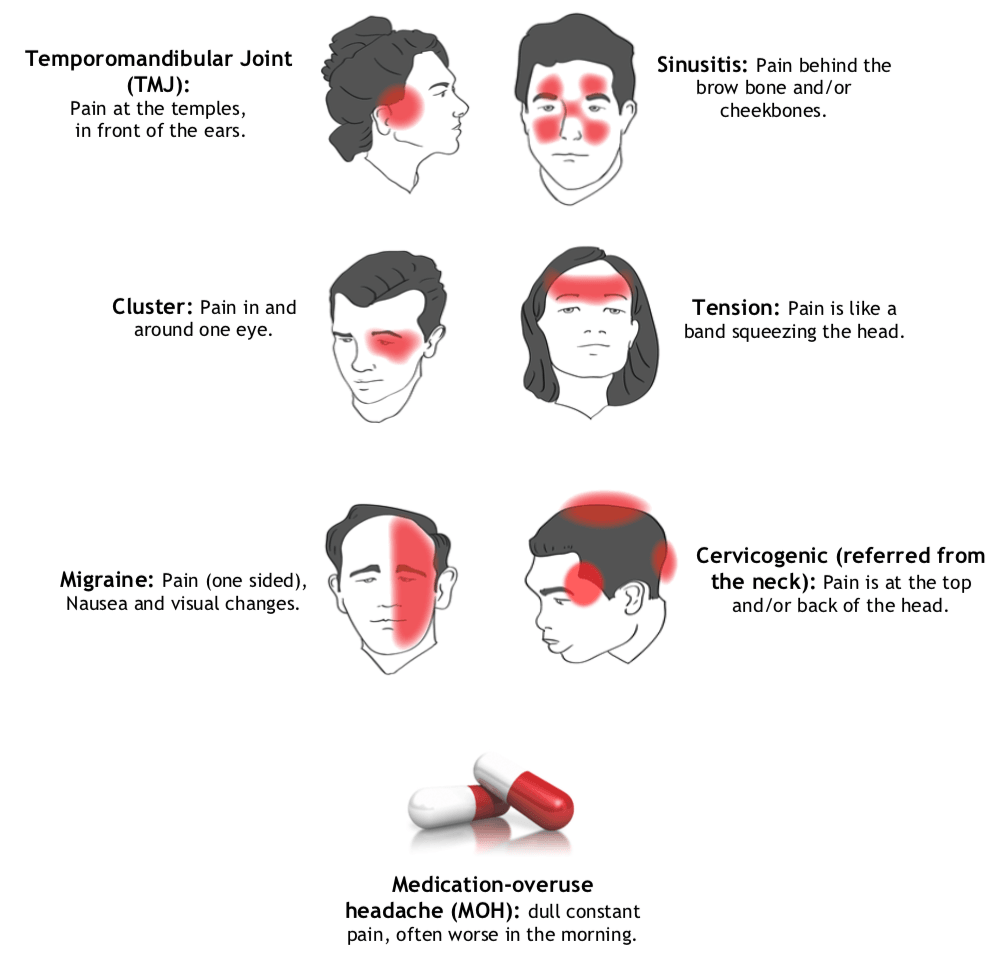
Migraine is a medical condition that involves severe, recurring headaches and other symptoms.
A migraine episode is a type of headache. An episode usually occurs in stages and can last for several days. Severe cases can affect a person’s daily life, including their ability to work or study.
Migraine can affect people in different ways. There is a range of triggers, severity, symptoms, and frequency. Some people have more than one episode each week, while others have them only occasionally.
As India is multiethnic, it is essential to determine the prevalence of headache and its subtypes in other regions also. Information about headache disorders is insufficient and variable, although migraine was identified to be more common in the rural population, with its prevalence ranging between 1.37% and 72%. Research shows that migraine affects just over 19% of females and 9% of males. Episodes often occur in people aged 18–44 years, but they can happen at any time, including during childhood.
Headache is a common neurological complaint in communities. It may present as a primary headache syndrome, such as migraine, tension type headache (TTH) or cluster headache, or, the headache may be secondary to various illnesses. Community-based epidemiological studies are scarce in India and other developing countries
Symptoms of migraine tend to occur in stages:
Before the headache, Aura phase: According to a research 20-60 % of people with migraine experience symptoms that start hours or days before the headache.
At this stage, a person might experience a “prodrome,” which may involve emotional changes, specifically depression and irritability. A prodrome can also include yawning, dizziness, thirst, frequent urination, and sensitivity to light and sound.
Sometimes an aura can occur. This involves physical or sensory symptoms such as flashing lights in the field of vision.
During the headache: Alongside a mild to severe, throbbing or pulsing headache, symptoms may include nausea, vomiting, neck pain, dizziness, and nasal congestion.
Resolution: After the headache, tiredness and irritability may last another 2 days. This is sometimes called the “migraine hangover.” Or Postdrome:
This stage can last up to a day after a headache.
Migraine symptoms in the postdrome phase include:
- Feeling tired, wiped out, or cranky
- Feeling unusually refreshed or happy
- Muscle pain or weakness
- Food cravings or lack of appetite
Other common features are:
- head pain that worsens during physical activity or straining
- an inability to perform regular activities due to the pain
- increased sensitivity to light and sound that can sometimes be relieved by lying quietly in a darkened room
Other symptoms may include sweating, feeling unusually hot or cold, a stomach ache, and Diarrhoea.
How to differentiate between Migraine and Head ache.
A migraine episode is different from a typical headache. The experience is different, and they can have different causes.
Keeping a diary of symptoms can help a person and their healthcare professional identify migraine episodes. Keep the journal for at least 8 weeks, and note down:
- the time that symptoms start
- possible triggers, such as stress or menstruation
- the nature of the headache
- any other symptoms
- how long the symptoms last
- any noticeable indicators of migraine, such as an aura
- any medications used and their effects
Causes and triggers
Experts think that migraine episodes may stem from changes in the brain that affect the:
- way nerves communicate
- balance of chemicals
- blood vessels
Genetic features may also play a role — Family history is common risk factor.
Migraine triggers vary from person to person.
- Hormonal changes, such as those related to menstruation.
- Emotional triggers, such as stress anxiety, depression and excitement.
- Dietary factors, including alcohol, caffeine, chocolate, nuts, cheese, citrus fruits, and foods containing the additives
- Medications, such as sleeping pills,HRT, and some birth control pills.
- Environmental factors, including flickering screens, strong smells, second hand smoke, loud noises, humidity, stuffy rooms, temperature changes, and bright lights.
Some other possible triggers include:
- tiredness
- a lack of sleep
- shoulder and neck tension
- poor posture
- physical overexertion
- low blood sugar
- Jet Lag
- irregular mealtimes
- Dehydration
Avoiding triggers, when possible, may help reduce the frequency of migraine episodes.
Risk factors
Anyone can develop migraine, but it is more common in people with any of the following:
- depression
- bipolar disorder
- fibromyalgia
- Irritable bowel syndrome
- overactive bladder
- sleep disorders
- obsessive-compulsive disorder
- anxiety
Treatment
There is no cure for migraine That is what medical texts and modern system doctors say. However, medications can treat the symptoms when they arise, and people can take steps to reduce the frequency and severity of episodes. But keep in mind that these medications can have side effects.
It is important not to overuse medication, as doing so can cause a rebound headache. A healthcare provider can help a person determine how much of each medication is safe and effective. Apart from medication for the treatment of migraine, natural remedy is another treatment for migraine that has been proven to be effective.
Diet:
Diet for migraines plays a vital role in preventing migraines. Diets of migraine to avoid include:
- Foods with nitrates including hot
- Dogs, deli meats, bacon, and sausage
- Chocolate
- Cheese that contains the
- Naturally-occurring compound tyramine, such as blue, feta, cheddar, Parmesan, and Swiss
- Alcohol, especially red wine
- Foods that contain monosodium
- Foods that are very cold such as ice
- Cream or iced drinks
- Processed foods
- Dried fruits
- Cultured dairy products such as
- Buttermilk, sour cream, and yogurt
A small amount of caffeine may ease migraine pain in some people. Caffeine is also in some migraine medications. But, too much caffeine may cause a migraine. It may also lead to a severe caffeine withdrawal headache.
Keep a daily food record of what you eat and how you feel after eating.
Exercise plays a vital role in easing migraine and recurrences.
How Homoeopathy is the treatment of choice for Migraines:
The characteristics of occurrence, the heredity, the aura, the ameliorations, aggravations, lifestyle, diet and the personality type are all evaluated and analysed by the homoeopathic physicians.
It reduces the severity, recurrences and intensity of the migraine. Homoeopathy aims at a gentle cure with individualisation and minimum medicine. They don’t have side effects and thus do not produce the secondary counter action of the medicines like that of the conventional medicines.
There are successful cures of migraine by homoeopathy.
We have such cases where people got cured and just forgot that they ever had that horrible experiences of headaches and unproductive phases of life.
Some Homoeopathic Medicines for Migraine:
Belladonna: This is among the best medicines in homeopathy and is quite effective in treating migraines with severe throbbing, pulsating headaches.
Sanguinaria Canadensis and Iris Versicolor: These are the two best homeopathic medicines for curing right-sided migraine. Iris Versicolor is very effective in healing migraines associated with vomiting or acidity and intense nausea. It is also useful for those who experience blurry sight before they get a migraine. Sanguinaria Canadensis is usually prescribed to one who suffers from migraines that last from morning till sunset. It’s also effective in treating menopause.
- Nux Vomica: It’s an effective homeopathic remedy for migraines associated with gastric problems.
- Natrum Carbonicum: It is very helpful in treating migraines caused when one is exposed to sunlight.
- Nat mur: It is the best homeopathic remedy for migraines that worsen during the menstrual period. It’s also the best prescription for people who experience a numbness or tingling sensation in their lips, tongue, or nose before the migraine attack.
Kali Phos : It’s best known for treating stress-related migraines. This remedy also relieves symptoms from intellectual overwork.
Sepia: This is another effective homeopathic prescription for migraines in women during menopause.
Glonoinium: This homeopathic medicine is very effective in healing migraines that are congestive. It’s also an excellent treatment for migraines caused by sun exposure.
Cyclamen
Migraines that start with flickering in the eyes, dim vision, or dizziness suggest a need for this remedy. Pain is often right-sided and may involve the ear—which can also ache or itch. The person feels very weak and sick (the nausea is often worse from fatty food) and is thirsty, very sensitive to cold, and worse from open air. People who need this remedy are sympathetic and emotional; they often have an anxious or remorseful feeling that they may have neglected some responsibility.
Lachesis
Left-sided migraines with congested, pulsing pain that is worse from pressure or tight clothing may respond to this remedy. The person’s face looks deeply flushed or blotchy. Headaches are often worst before the menstrual period and better once the flow begins. The person feels worse from sleeping (either in the daytime or at night) and is usually worse from heat.
Lycopodium
This relieves headaches caused by delaying meals, with desire for hot food and candy.
Spigelia
Excruciating headaches on the left side of the head, with violent throbbing, or stitching pains above or through the eyeball, may respond to this remedy. Pain may extend through the face and is worse from motion, touch, position changes, and jarring. The person may feel better from lying on the right side with the head supported, and keeping still. It’s the most effective medicine in homeopathy for treating left-sided migraines.
Note: Consult a Qualified Homoeopath for correct diagnosis and treatment. Dosage and repitition is best decided by the homoeopathic doctor. Avoid over the counter medicines and self prescription.
 The Art Of Healing