Some of other therapies include the following
Dowsing
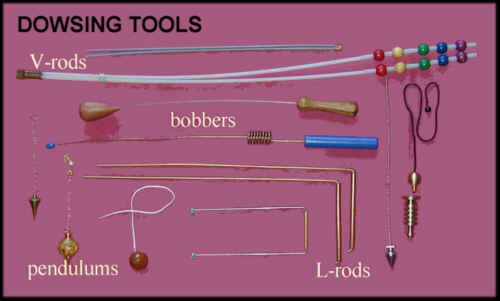
Dowsing or Divining is a method for detecting, transforming and balancing physical, emotional and spiritual energies. Dowsing is an accurate and simple method of diagnosis that uses intuition rather than logical thinking to determine people’s needs.
Dowsing enables the conscious mind to connect with the subconscious mind which itself is capable of detecting very subtle energy changes,” she says. “Our bodies have natural electromagnetic receptors, so with practice we can learn to sense and interpret.” Dowsers use tools to amplify these subtle signals in their bodies. The practitioner moves into a meditative state of calm in order to be most effective.
Ear candling
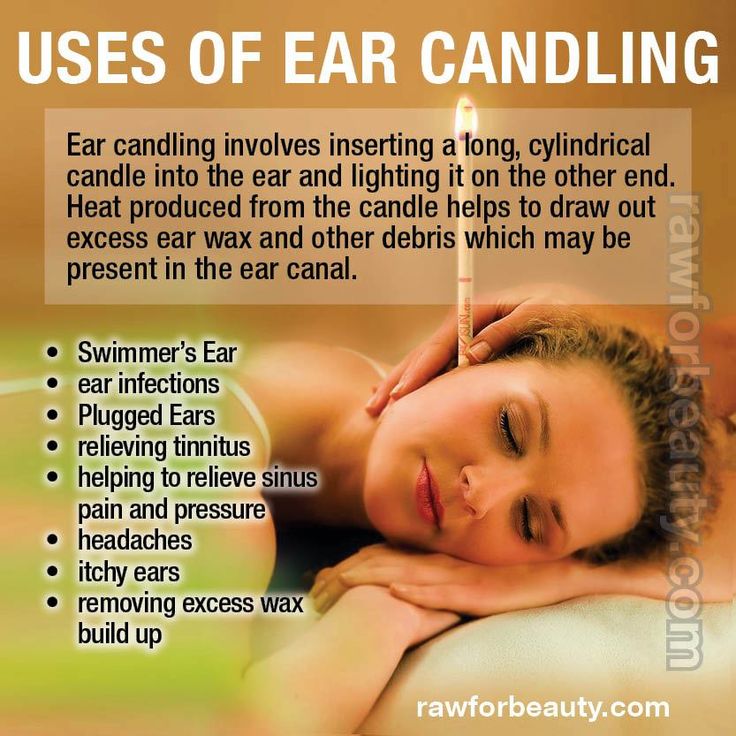
Ear candling involves placing a hollow candle (made from a fabric tube soaked in beeswax) in the external auditory canal. The candle is then lit and burned for about 15 minutes. After the procedure is finished, a brown waxy substance, believed by ear candling practitioners to be a mixture of ear wax, debris, and bacteria, is left in the candle stub.
Ear candling can be performed by beauticians, alternative therapists, or by patients using kits at home. It is used mainly to remove ear wax, though it has also been used to try to relieve sinus pain, cure ear infections, help relieve tinnitus and vertigo.
Ear candling should be absolutely contraindicated in patients with perforated tympanic membranes, grommets, or who have had recent surgery.

Ecological medicine
Healing disciplines and movements of public health, ecology, conventional medicine, complementary and alternative medicines, conservation medicine, conservation biology, and campaigns such as Health Care Without Harm have sought to address this cycle of conflict among individual health, public health, and ecosystem health in different ways. Ecological Medicine honors these contributions and builds upon them. Ecological Medicine invites the biomedical community, ecologists, scientists, activists, and individuals who are concerned for personal health as well as the health of communities and future generations to learn from each other and to embrace a balanced, ecological approach to sustaining health.
Ecological Medicine integrates the following concepts and values:
- Interdependence. Each of us is deeply connected with Earth’s ecosystems; each of our lives is only a moment in the grand scale of time. Ultimately, we all depend on the health of the global community and of Earth’s biosphere for our own health and happiness. Individuals cannot live healthy or happy lives in poisoned ecosystems and unhealthy communities. By the same token, healthy communities and biological systems depend on human restraint and responsibility in technologies, population, production, and consumption.
- Resilience. Health in humans and ecosystems is not a steady state but a dynamic one marked by resilience. Both medicine and ecosystem science and management should focus on promoting and restoring the innate ability of biological systems to protect themselves, recover, and heal. Systems that draw upon or mimic the elegance, economies, and resilience of nature offer promising paths for health care research and development.
- “First, do no harm.” Health care should not undermine public health or the environment. This precautionary principle should be applied to decisions affecting the ecosystem, populations, communities, and individuals.
- Appropriateness. “Medicine,” in its Greek origins, means “appropriate measures.” The goal is to achieve maximal health with minimal intervention, promoting good health that is appropriate to an individual’s stage of life without overburdening Earth’s life-sustaining processes.
- Diversity. Health is served by diverse approaches, including many traditional healing systems, local adaptations, and indigenous science around the world. Ecological Medicine encourages freedom of medical choice, guided by informed consent and compassionate practice.
- Cooperation. In order to gain knowledge and improve practices, patients should be partners with practitioners, and medical professionals should cooperate with ecologists and other students of the natural world. Health care organizations should be managed with the active participation of the communities they serve, while communities must learn to integrate their welfare with that of their regional ecosystems.
- Reconciliation. Individual health care services should be economically sustainable, equitable, modest in scale, of high quality, noncommercial, and readily available to all. Societies should build and maintain infrastructures that assure all citizens the capability to meet basic needs such as health, nutrition, family planning, shelter, and meaningful work while minimizing harm to the Earth. Societies should increasingly devote their material and creative resources to policies and projects that restore and maintain the health of biological and human neighborhoods. All efforts to improve human welfare must be conducted within a cooperative framework established by the health of the Earth.
Ecological Medicine sounds an urgent call to action. Understanding the ominous changes in the biosphere compels us to act, individually and collectively. Whether it is in the way we build clinics and hospitals; make, grow, and use medicines; choose areas for scientific study; communicate across disciplines; conduct public health services globally and in particular communities; or choose the means of maintaining our own health, we must do so with a commitment to enhancing life on this planet.
Electrodermal screening
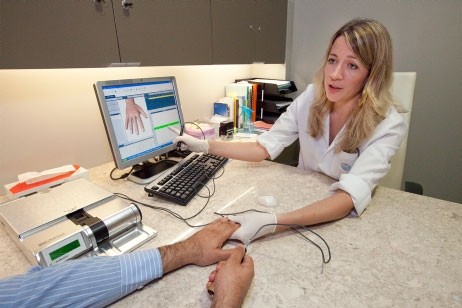
Electrodermal testing (ET) has its roots in acupuncture as practiced in Europe in the 1950s, and is based on the principle of galvanometric skin differentials combined with classical Chinese acupuncture theory. In short, the underlying idea is that there is a connection between the skin’s electrical characteristics and the health of the internal organs, and that the electrical signals measurable on the skin surface can provide useful diagnostic information.
Electrodermal testing has been adopted by a wide range of “alternative” healthcare practitioners using it for many different things, including nutrition counseling and prescription of homoeopathic remedies. Today it goes by many different names, including Electrodermal Screening (EDS), Bioelectric Functions Diagnosis (BFD), Bio Resonance Therapy (BRT), Bioenergy Regulatory Technique (BER), Biocybernetic Medicine (BM), Computerized Electrodermal Screening (CEDS), and electrodiagnosis.
There is an equally dizzying roster of different devices in use, such as the Accupath 1000, Asyra, Biotron, BICOM, Computron, Diagnose, Elision, e-Lybra 8, Last, Interro, Interactive Query System (IQS), LISTEN System, MORA, Matrix Physique System, Omega Vision, Orion System. The FDA classifies these as Class III devices requiring approval prior to marketing.
But all of these are based on the same core principle, grounded in the Chinese medical theory that the skin surface contains specific acu-points, referred to as “organ projection” areas by ET practitioners.
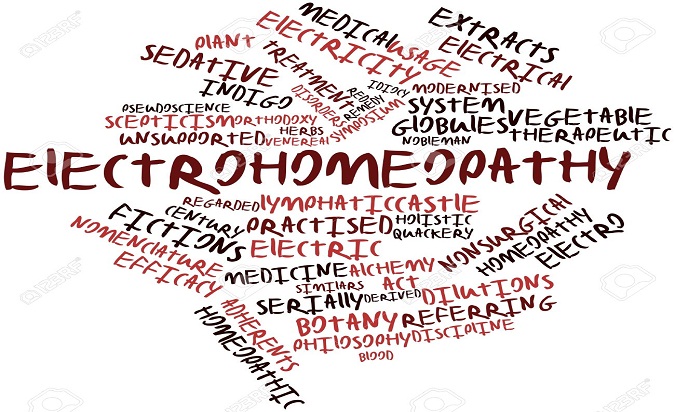
Electrohomoeopathy:
Electrohomeopathy was devised by Cesare Mattei (1809–1896) in the latter part of the 19th century. Mattei, a nobleman living in a castle in the vicinity of Bologna,studied natural science, anatomy, physiology, pathology, chemistry and botany. He ultimately focused on the supposed therapeutic power of “electricity” in botanical extracts.
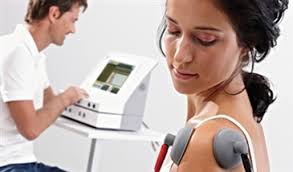
Electrotherapy
The use of electric currents passed through the body to stimulate nerves and muscles, chiefly in the treatment of various forms of paralysis.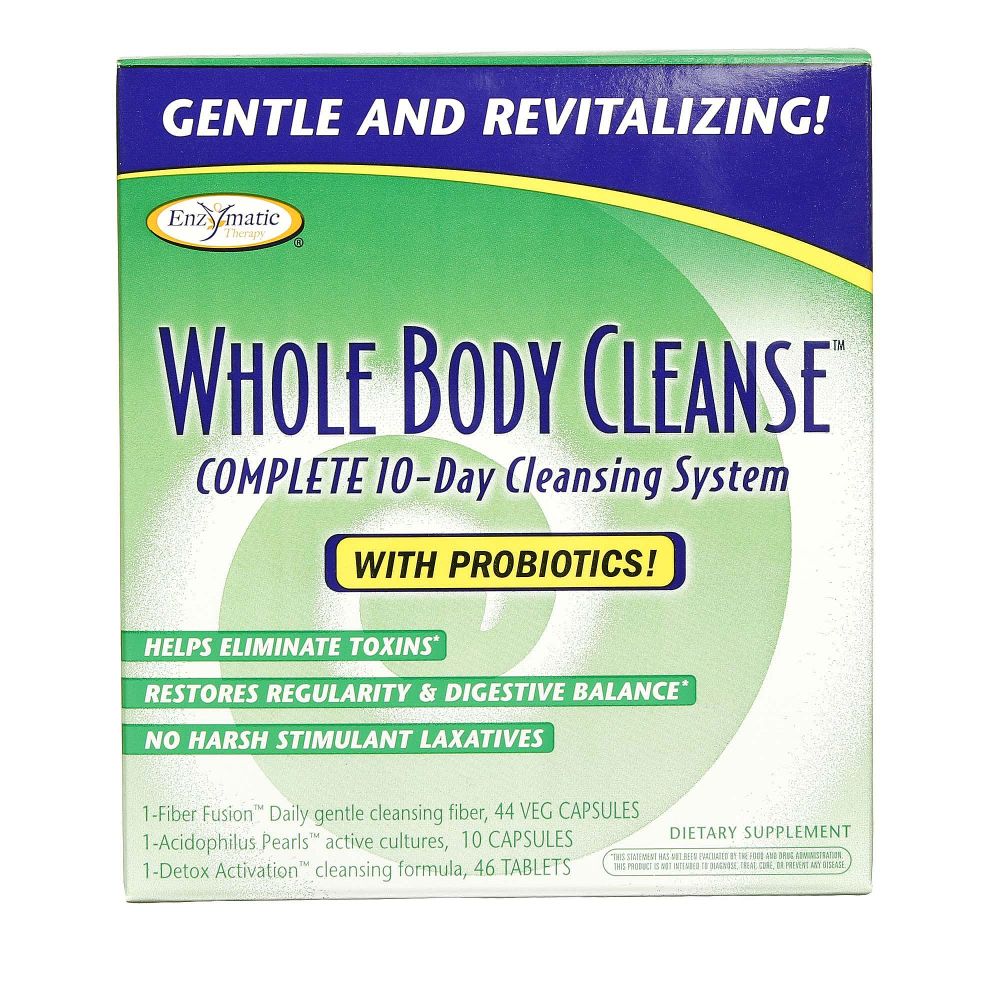
Enzymatic Therapy:
- Amylase breaks down starch.
- Cellulase breaks down fibers.
- Lactase breaks down dairy products.
- Lipase breaks down fats.
- Maltase breaks down grains.
- Protease breaks down proteins.
- Sucrase breaks down sugars.
Although enzyme therapy has temporary side effects, these are considered a part of the cleansing process. Symptoms include nausea, vomiting, heartburn, bloating, gas, diarrhea, acne, and an increase in bowel movements. To reduce these symptoms, it is advised to drink eight to ten glasses of water a day and get regular exercise. People with allergies to beef, pork, pineapples, and papaya may suffer allergic reactions and should therefore be careful.
Although plant enzymes are safe for pregnant women it is always advisable to check with a doctor in advance. Further, animal enzymes should be avoided. While taking enzyme tablets, precaution should be taken that patients should not chew/crush the tablets as this might damage the enzyme due to the presence of acids in the stomach.
Equine Massage, Equisaage:
Equine massage is the practice of massage on horses. Beginning in the early 1990’s, it has been a growing field of equine therapy, utilized for both day-to-day riding and post-trauma rehabilitation. Proponents list a number of positive effects, including the improvement of movement and the reduction of pain and stress responses. Scientific study is beginning to demonstrate possible benefits, although more study is needed.

Erotic healing and Erotic massage
In the Western medical tradition, genital massage of a woman to orgasm by a physician or midwife was a standard treatment for female hysteria, an ailment considered common and chronic in women. In 1653, Peter van Foreest advised the technique of genital massage for a disease called “womb disease” to bring the woman into “hysterical paroxysm”.
Prostate massage, Nuru massage and tantra massage were also used as erotic therapy. Kamasutra and erotic reading were prescribed for childless couples and psychological erectile dysfunction.
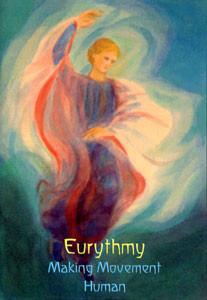
Eurythmy:
Eurythmy is an expressive movement art originated by in conjunction with in the early 20th century. Primarily a performance art, it is also used in education, especially in Waldarof, and – as part of anthroposophic medicine for claimed therapeutic purposes.
The word eurythmy stems from Greek roots meaning beautiful or harmonious rhythm.According to the precepts of anthroposophic medicine, a human has four aspects which need to be treated: spirit, soul, life and matter. Eurythmy is one of the practices said to act on the “life” aspect, and is claimed to effect an “improvement of health related life functions”.A person receiving eurthymy therapy moves under the guidance of a eurythmy therapist, who will have been trained two years beyond the four-year fundamental course in eurythmy. The movements may be adapted to the condition of the person being treated; for example, they may be done while either sitting or even lying down. Therapeutic eurythmy is claimed to bring about a “re-integration of body, soul, and spirit.”
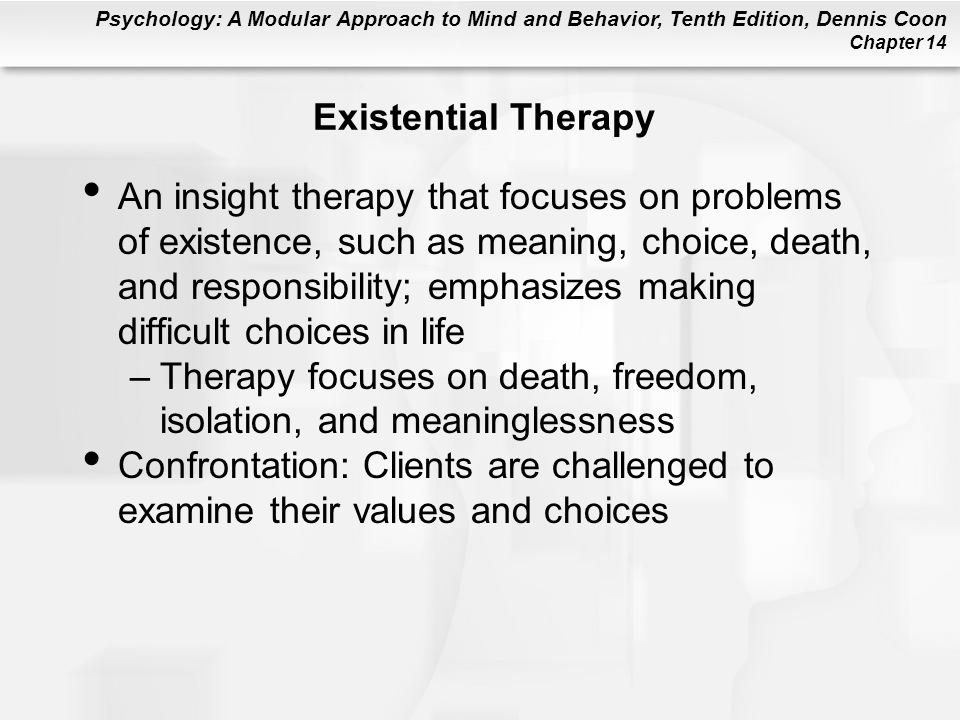
Existential therapy:
Existential psychotherapy is a philosophical method of therapy that operates on the belief that inner conflict within a person is due to that individual’s confrontation with the givens of existence.
Facilitated communication:
Facilitated communication (FC), or supported typing, is a discredited technique used by some caregivers and educators in an attempt to assist people with severe educational and communication disabilities. The technique involves providing an alphabet board, or keyboard. The facilitator holds or gently touches the disabled person’s arm or hand during this process and attempts to help them move their hand and amplify their gestures. In addition to providing physical support needed for typing or pointing, the facilitator provides verbal prompts and moral support. In addition to human touch assistance, the facilitator’s belief in their communication partner’s ability to communicate seems to be a key component of the technique.
Faith healing:
Faith healing is the practice of prayer and gestures (such as laying of hands ) that are claimed to elicit divine intervention in spiritual and physical healing, especially the Christian practice. Believers assert that the healing of disease and disability can be brought about by religious faith through prayer and/or other rituals that, according to adherents, stimulate a divine presence and power. Belief in such divine intervention is derived from religious belief.
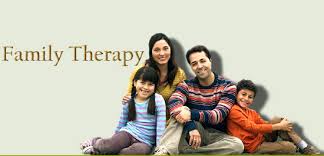
Family therapy:
Family therapy is a type of psychological counseling (psychotherapy) that helps family members improve communication and resolve conflicts. Family therapy is usually provided by a psychologist, clinical social worker or licensed therapist.
Fasting:
Fasting is primarily the act of willingly abstaining from some or all food, drink, or both, for a period of time. The word id derived from the old English , ‘ Feastan’ means to fast, observe, be strict. In Sanskrit ‘ Vrath’ means ‘determination’ and ‘Upavasa’ means ‘ near to God’.A fast may be total or partial concerning that from which one fasts, and may be prolonged or intermittent as to the period of fasting. Fasting is an important treatment modality for health preservation. In fasting, mental preparedness is an essential pre-condition. Prolonged fasting should be done only under the supervision of a competent Naturopath.
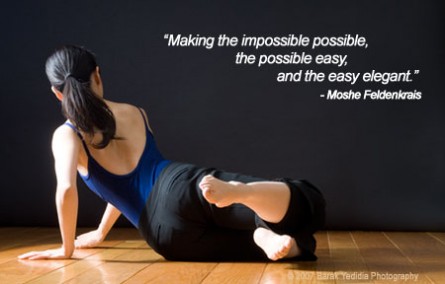
Feldenkrais Method:
A system designed to promote bodily and mental efficiency and well-being by conscious analysis of neuromuscular activity via exercises which improve flexibility and coordination and increase ease and range of motion.

Feng shui
Feng shui or fengshui is a Chinese philosophical system of harmonizing everyone with the surrounding environment. It is closely linked to Taoism. The term feng shui literally translates as “wind-water” in English.
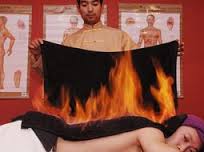
Fire therapy
The technique known as “Fire Therapy“, is used to cure everything from stress, indigestion, infertility and even cancer. During Fire Therapy, a herbal paste is first applied on a patient’s problem area. Then, a towel is soaked into alcohol and is then set alight.
Flouride therapy:
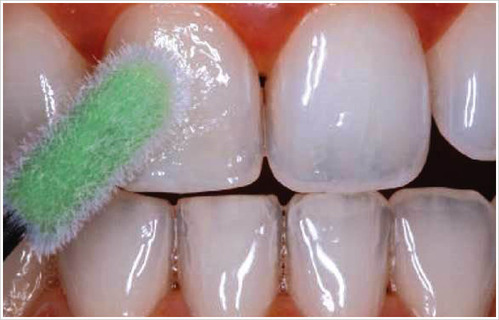
Fluoride therapy is the use of fluoride for medical purposes. Fluoride supplements are recommended to prevent tooth decay in children older than 6 month in areas where the drinking water is low in fluoride. It is typically used as a liquid, pill, or paste by mouth.
Folk medicine:
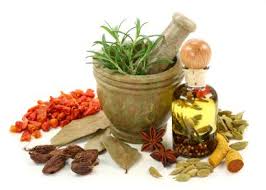
Traditional medicine (also known as indigenous or folk medicine) comprises medical aspects of traditional knowledge that developed over generations within various societies before the era of modern medicine. The World health organization (WHO) defines traditional medicine as “the sum total of the knowledge, skills, and practices based on the theories, beliefs, and experiences indigenous to different cultures, whether explicable or not, used in the maintenance of health as well as in the prevention, diagnosis, improvement or treatment of physical and mental illness”
Gems Therapy:
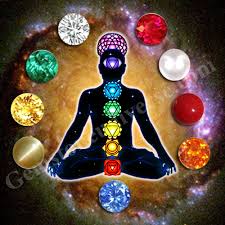
Gem therapy is an alternative form of healing. Practitioners of this therapy believe that gemstones carry certain vibrations which when placed within a person’s aura, has the effect of changing it. It is believed that the human aura consists of nine colours, namely: violet, indigo, blue, green, yellow, orange, re, infra red and ultra violet. Any deficiency or excess of these colours upsets the body’s energy balance leading to illness. Gemstones heal by restoring the balance to the original composition of the nine colours.
Gemstones transmit a specific wavelength to the body, which converts these rays into a chemical form that the body can utilize to improve its functioning both on a physical and an emotional level.
Gene therapy:
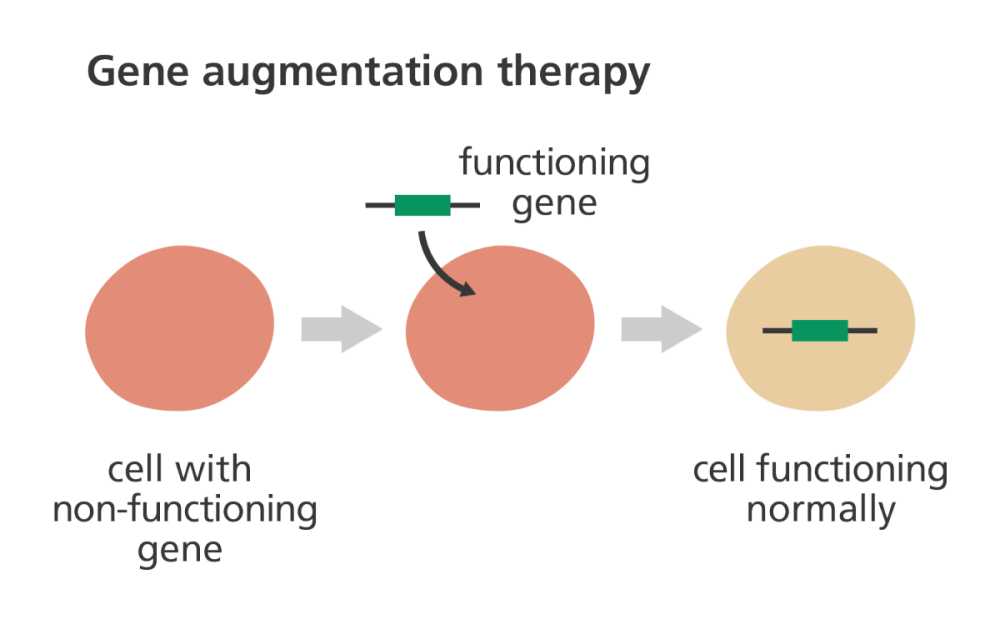
Gene therapy is an experimental technique that uses genes to treat or prevent disease. In the future, this technique may allow doctors to treat a disorder by inserting a gene into a patient’s cells instead of using drugs or surgery. Researchers are testing several approaches to gene therapy, including:
- Replacing a mutated gene that causes disease with a healthy copy of the gene.
- Inactivating, or “knocking out,” a mutated gene that is functioning improperly.
- Introducing a new gene into the body to help fight a disease.
Although gene therapy is a promising treatment option for a number of diseases (including inherited disorders, some types of cancer, and certain viral infections), the technique remains risky and is still under study to make sure that it will be safe and effective. Gene therapy is currently only being tested for the treatment of diseases that have no other cures.
Geomancy:

Gerson therapy:
The Gerson® Therapy is a natural treatment that activates the body’s extraordinary ability to heal itself through an organic, plant-based diet, raw juices, coffee enemas and natural supplements.
With its whole-body approach to healing, the Gerson Therapy naturally reactivates your body’s magnificent ability to heal itself – with no damaging side effects. This a powerful, natural treatment boosts the body’s own immune system to heal cancer, arthritis, heart disease, allergies, and many other degenerative diseases. Dr. Max Gerson developed the Gerson Therapy in the 1930s, initially as a treatment for his own debilitating migraines, and eventually as a treatment for degenerative diseases such as skin tuberculosis, diabetes and, most famously, cancer.
Gestalt therapy:
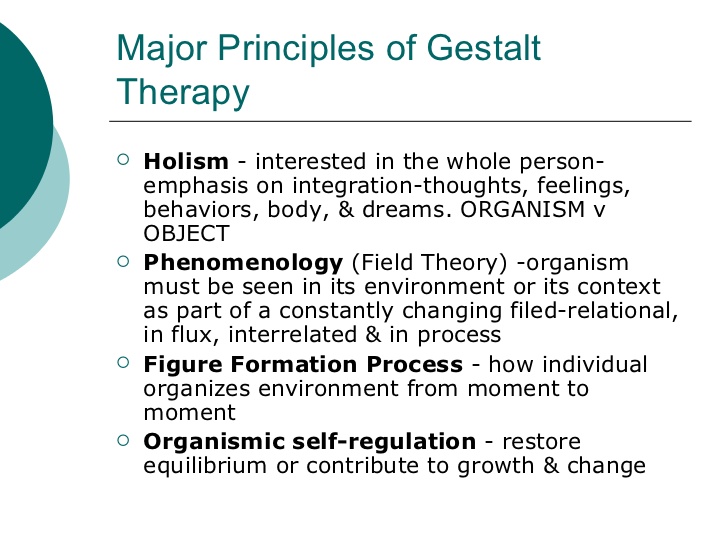
Gestalt therapy, developed by Fritz Perls, Laura Perls, and Paul Goodman in the 1940s, is an experiential and humanistic form of therapy that was originally designed as an alternative to conventional psychoanalysis. Gestalt therapists and their clients use creative and experiential techniques to enhance awareness, freedom, and self-direction.
Group therapy:
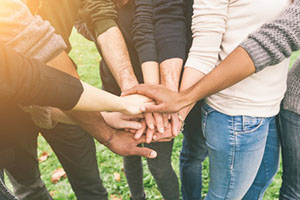
Group therapy is a form of Psychotherapy in which one or more therapists treat a small group of clients together as a group. The term can legitimately refer to any form of psychotherapy when delivered in a group format, including cognitive behavioural therapy or interpersonal therapy or but it is usually applied to psychodynamic group therapy where the group context and group is explicitly utilised as a mechanism of change by developing, exploring and examining interpersonal relationships within the group.

Haelan Therapy:
Haelan Therapy is based in Hitchin and provides holistic treatments in Reiki, Reflexology, Massage and Thermal Auricular Therapy (Hopi Ear Candling).
Helixor Mistletoe Therapy:
The white-berry mistletoe has been used as a medicinal plant since ancient times. For 100 years it has also been proven in integrative oncology.
It blooms in winter, grows spherically on trees, and does not adjust its position to the sun: The “anti-tendency” of mistletoe against natural laws demonstrates similarities to the growth of tumors. Hence, Dr. Rudolf Steiner recognized the healing potential of this plant for cancer therapy. Noticing these insights, the Dutch physican Dr. Ita Wegman developed the first injectable mistletoe preparation in 1917. Today mistletoe therapy is established as a complementary form of therapy in oncology.
Studies show that mistletoe therapy has a positive effect on the patient’s immune system and quality of life and can improve tolerance of standard therapies – such as chemotherapy – without decreasing their efficacy.
Mistletoe cancer therapy is appropriate for almost all tumor diseases. You can start using mistletoe at any time – before or after surgery, as well as before, during, or after radiation, chemo-, hormonal, or antibody therapies.
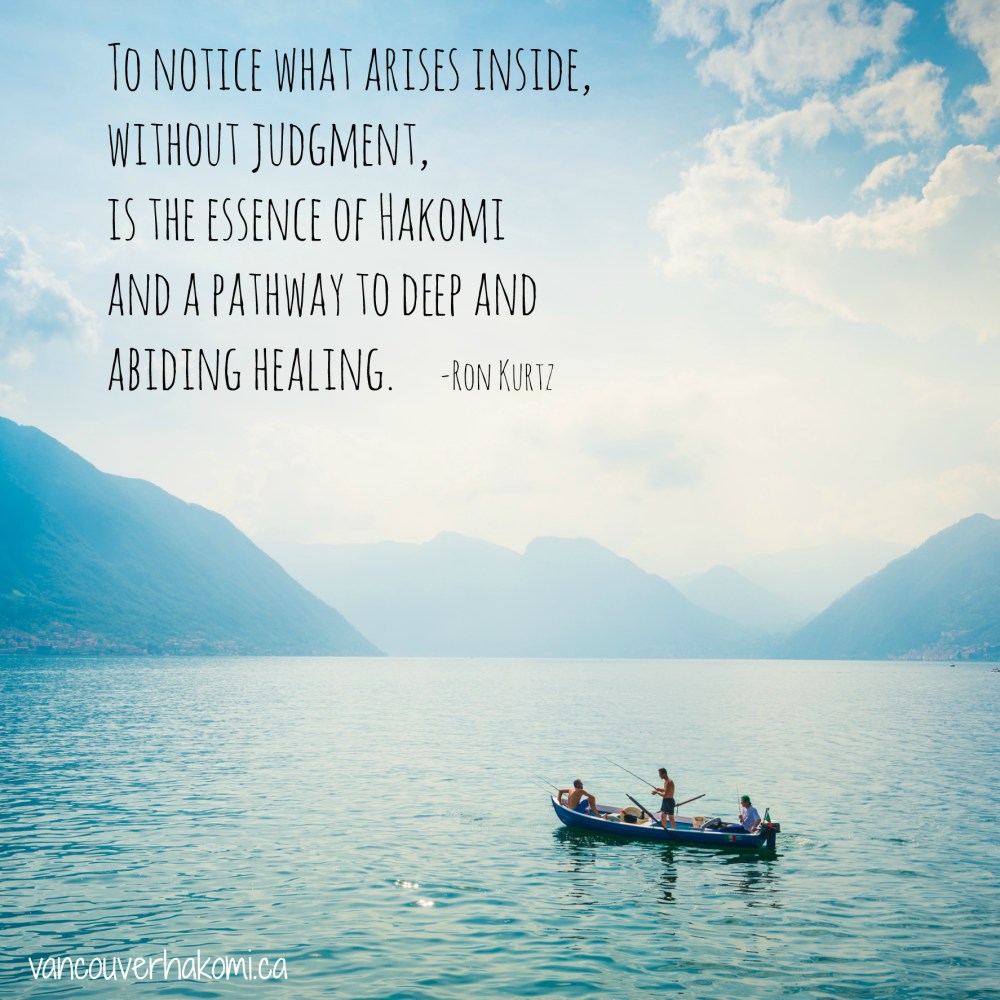
Hako mi healing:
The Hakomi Method of Mindfulness-Centered Somatic Psychotherapy was first created in the late 1970’s by the internationally renowned therapist and author, Ron Kurtz. In 1981, to fully develop the method and promote the teaching of Hakomi, Ron and a core group of therapists and educators founded the Hakomi Institute.
Integrating scientific, psychological, and spiritual sources, Hakomi has evolved into a complex and elegant form of psychotherapy that is highly effective with a wide range of populations.

Herbalism:
Herbalism or phytotherapy is a traditional medicinal or folk medicine practice based on the use of plants and plant extracts.
Herbalism is also known as botanical medicine, medical herbalism, herbal medicine, herbology, and phytotherapy. The scope of herbal medicine is sometimes extended to include fungal and bee products, as well as minerals, shells and certain animal parts. Pharmacognosy is the study of medicines derived from natural sources.
Traditional use of medicines is recognized as a way to learn about potential future medicines.
In 2001, researchers identified 122 compounds used in mainstream medicine which were derived from “ethnomedical” plant sources; 80% of these compounds were used in the same or related manner as the traditional ethnomedical use.
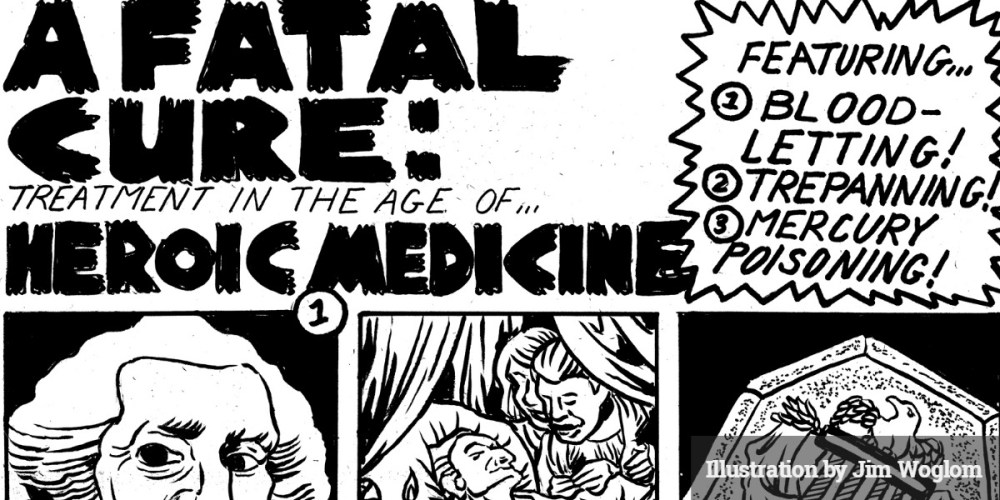
Heroic medicine:
Heroic medicine, also referred to as heroic depletion theory, was a therapeutic method advocating for rigorous treatment of bloodletting, purging, and sweating or burning the skin with a heated rod to shock the body back to health after an illness caused by a humoral imbalance.
Hormone therapy:
Hormone therapy or hormonal therapy is the use of hormones in medical treatment. Treatment with hormone antagonists may also be referred to as hormonal therapy or antihormone therapy. The most general classes of hormone therapy are oncologic hormone therapy and hrmone replacement therapy of which there are various kinds (e.g., for andropause for menopause, andropause, or for gender transition).
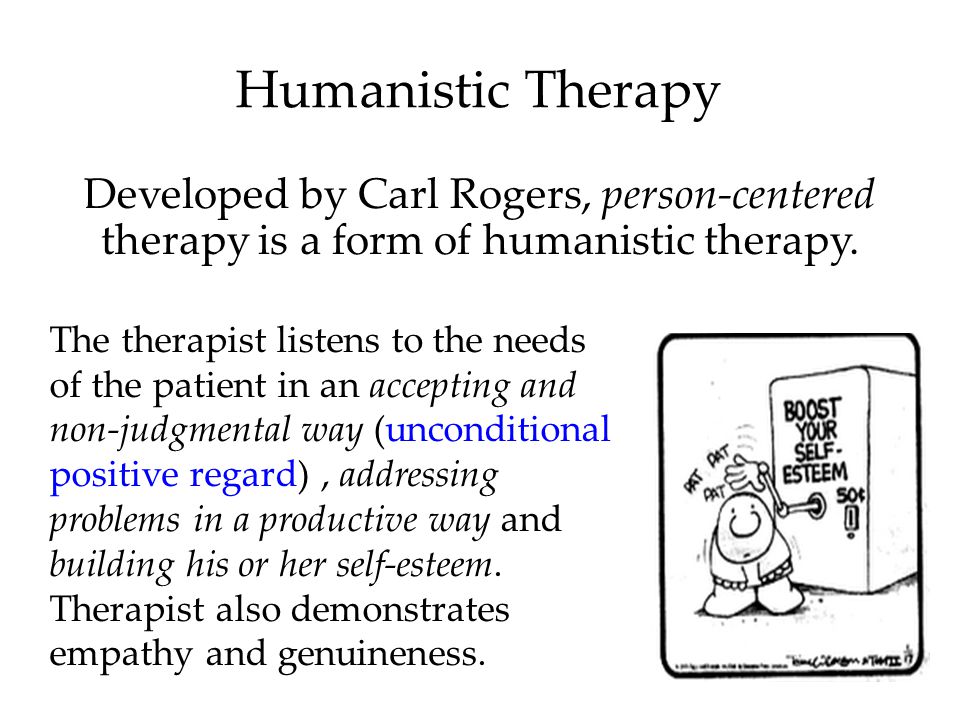
Humanistic psychology:
The aim of humanistic therapy is to help the client develop a stronger, healthier sense of self, as well as access and understand their feelings to help gain a sense of meaning in life.
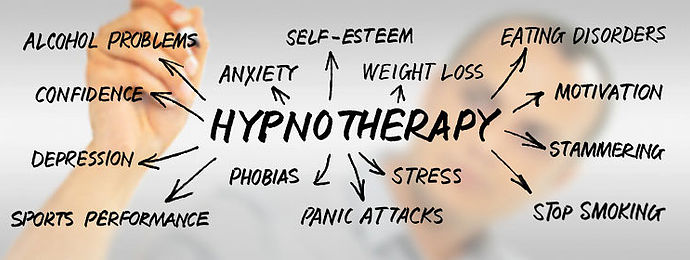
Hypnotherapy:
Hypnotherapy is an alternative curative healing method that is used to create subconscious change in a patient in the form of new responses, thoughts, attitudes, behaviors or feelings. It is undertaken with a subject in hypnosis.
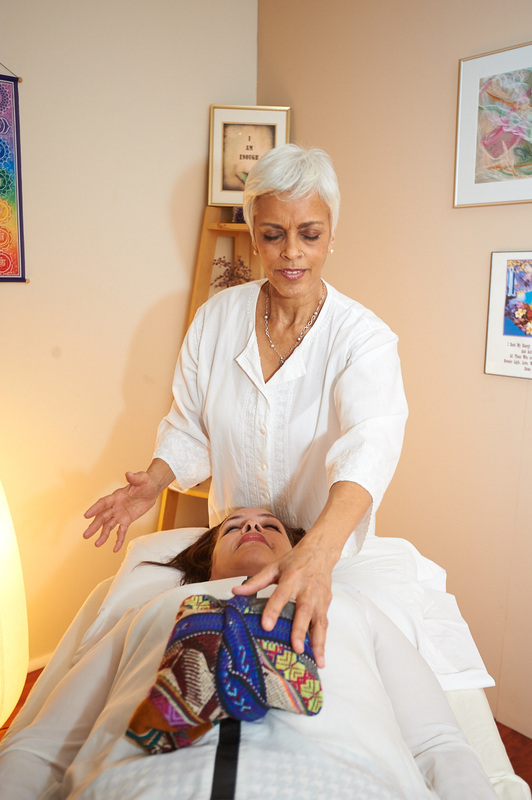
Illumination therapy:
When you know that issue or pattern that is holding you back in your life – but you can’t seem to ‘pull out of it’ – book an Illumination. Within this wonderful session they move the heavy energy that is weighing you down. Through clearing and transforming these heavy energies, your Luminous Energy Field (LEF) can lovingly harmonize your body and soul back to wellness. Now real change can take place in your life!
The Illumination Process brings about healing at the source, at the blueprint level of our being, at the Soul/Spirit level. When these imprints are erased, one can readily change negative emotions and behaviors. The power of the immune system is unleashed, so that physical healing is also accelerated.
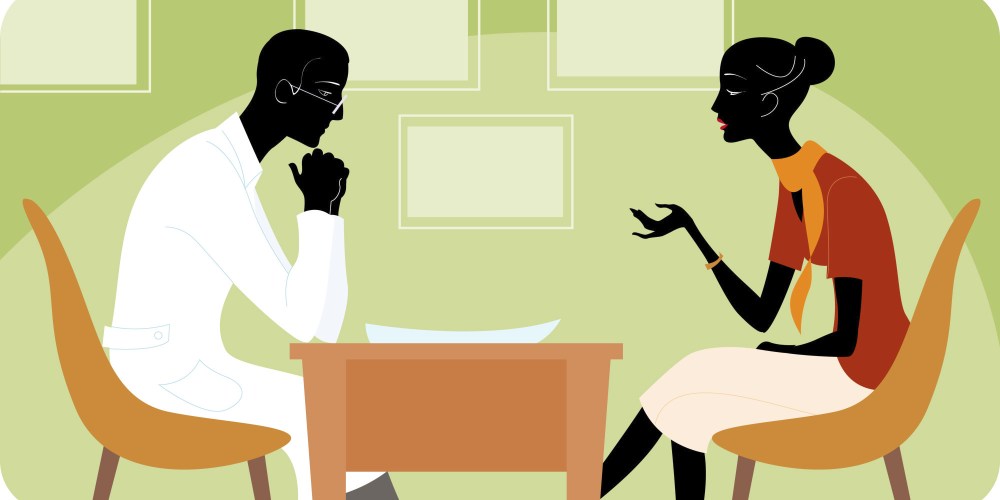
Psychotherapy:
Psychotherapy is the use of psychological methods, particularly when based on regular personal interaction, to help a person change and overcome problems in desired ways.

Jogging:
Exercise has therapeutic effects that can help alleviate symptoms of depression, anxiety, and various other mental health concerns. “Running is a form of natural psychotherapy. It stimulates the unconscious and is a powerful catalyst to the individual psyche” (Kostrubala, 1978, p. 133). Research indicates the following factors are associated with reduction of depression through running: mastery, patience, capacity for change, distraction, generalization, positive habit, symptom relief, consciousness alteration, and biochemical changes (Sachs, 1984). Characteristics of running therapy include changes in thinking patterns, the use of symbolism and metaphor, and nonverbal communication. The positive benefits of aerobic exercise in the context of psychotherapy may lead to a more profound and beneficial experience of psychotherapy.
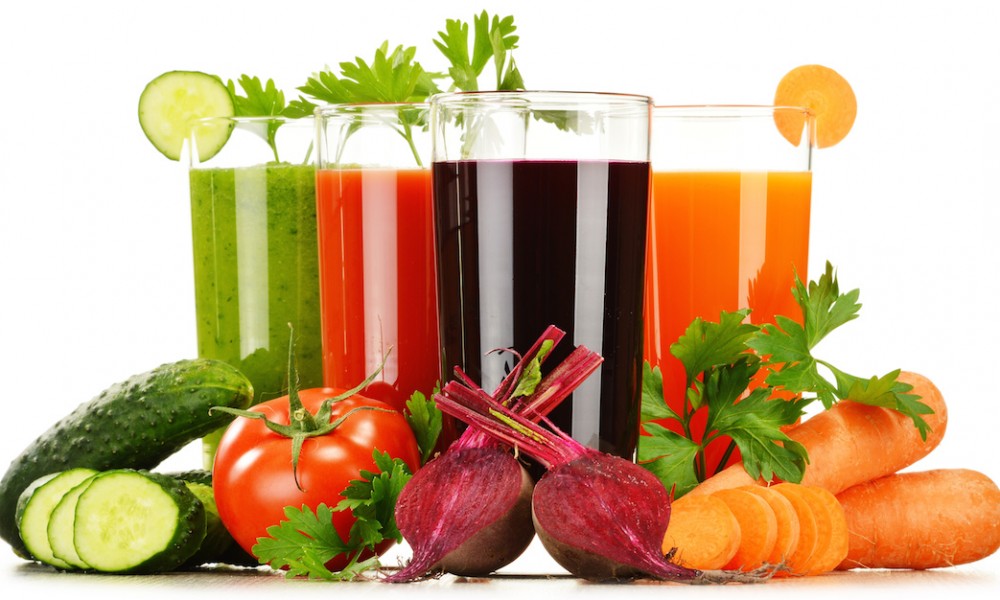
Raw juice therapy:
Raw juice therapy is a method for the treatment of disease through an exclusive diet of juices of fruits and vegetables. It is also known as juice fasting. It is the most effective way to restore health, rejuvenate and detoxify the body.
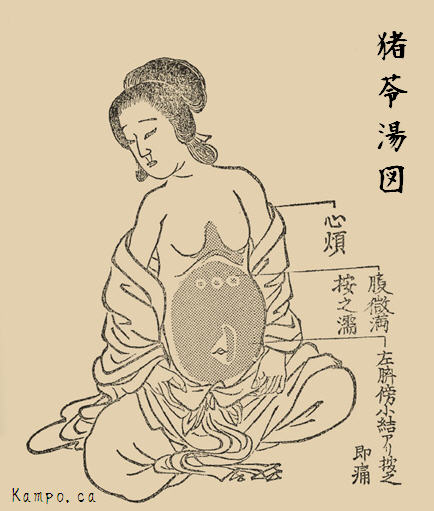
Kampo:
Kampo is a Japanese traditional medicine with unique theories and therapeutic methods originally based on traditional Chinese medicine. The underlying idea of Kampo is that the human body and mind are inseparable and a balance of physical and mental is essential for human health.
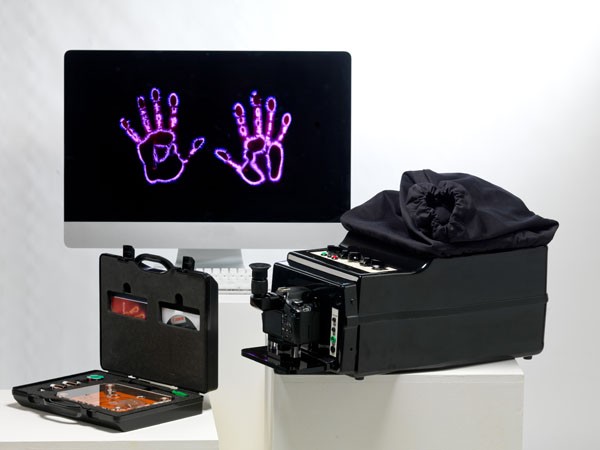
Kirlian photography:
Kirlian photography is a collection of photographic techniques used to capture the phenomenon of electrical coronal discharges. It is named after Semyon Kirlian, who, in 1939, accidentally discovered that if an object on a photographic plate is connected to a high-voltage source, an image is produced on the photographic plate. The technique has been variously known as “electrography”,“electrophotography” “corona discharge photography” (CDP),“bioelectrograph” “gas discharge visualization (GDV)”,”electrophotonic imaging (EPI)”, and, in Russian literature, “Kirlianography”.
Kirlian photography has been the subject of mainstream scientific research, parapsychology research and art. To a large extent, It has been used in alternative medicine research.
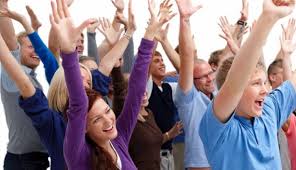
Laughter therapy:
Laughter is a natural medicine. It lifts our spirits and makes us feel happy. Laughter is a contagious emotion. It can bring people together. It can help us feel more alive and empowered.
Laughter therapy, also called humor therapy, is the use of humor to promote overall health and wellness. It aims to use the natural physiological process of laughter to help relieve physical or emotional stresses or discomfort.
Research supporting laughter therapy
Research supports the theory that laughter may have therapeutic value.
For years, the use of humor has been used in medicine. Surgeons used humor to distract patients from pain as early as the 13th century. Later, in the 20th century, came the scientific study of the effect of humor on physical wellness. Many credit this to Norman cousins. After years of prolonged pain from a serious illness, Cousins claims to have cured himself with a self-invented regimen of laughter and vitamins. In his 1979 book Anatomy of an Illness, Cousins describes how watching comedic movies helped him recover.
Life coaching:
Life Coaching is a profession that is profoundly different from consulting, mentoring, advice, therapy, or counseling. The coaching process addresses specific personal projects, business successes, general conditions and transitions in the client’s personal life, relationships or profession by examining what is going on right now, discovering what your obstacles or challenges might be, and choosing a course of action to make your life be what you want it to be.
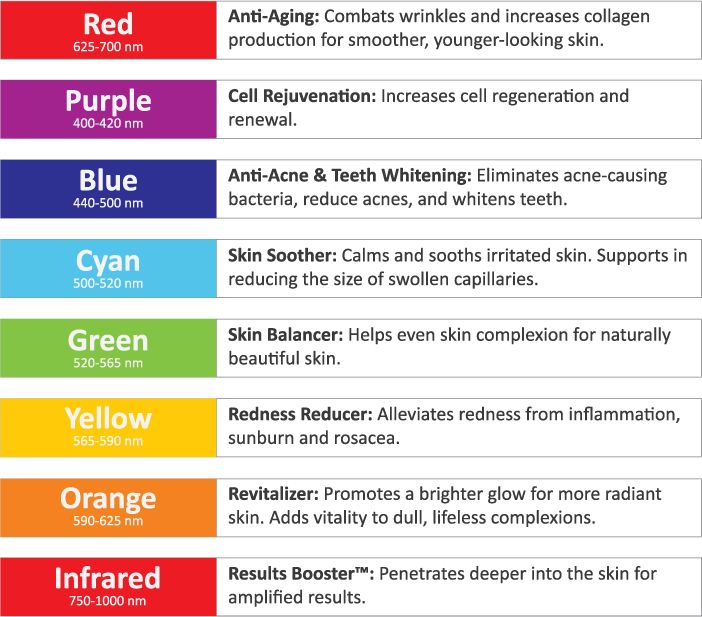
Light Therapy:
Light therapy is a way to treat seasonal affective disorder (SAD) and certain other conditions by exposure to artificial light. SAD is a type of depression that occurs at a certain time each year, usually in the fall or winter.
During light therapy, you sit or work near a device called a light therapy box. The box gives off bright light that mimics natural outdoor light.
Light therapy is thought to affect brain chemicals linked to mood and sleep, easing SAD symptoms. Using a light therapy box may also help with other types of depression, sleep disorders and other conditions. Light therapy is also known as bright light therapy or phototherapy.

Lomi Lomi- Ka Huna Massage:
Lomi Lomi- Ka Huna massage treats the mind and body
Traditionally Lomi Lomi is a deep, therapeutic type of massage designed to release muscle tension and consequently physical stress. The ancient Hawaiian shaman believed in a strong mind-body connection and believed that muscle tension and mental stress were highly related. By using the techniques of the Lomi Lomi the shaman or kahuna would release tense muscles and provide an overall healing treatment to the recipient.
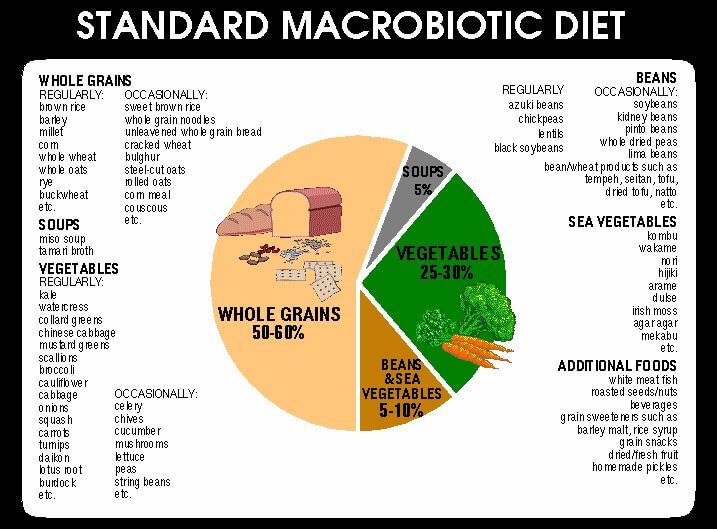
Macrobiotic diet
A macrobiotic diet isn’t just about your weight — it’s about achieving balance in your life. It promises a healthier, more holistic long-term lifestyle for men, women, and children that encompasses mental outlook as well as food choices. Macrobiotic dieters are encouraged to eat regularly, chew their food extremely well, listen to their bodies, stay active, and maintain a perky, positive mental outlook.
Whole grains, vegetables, and beans are the mainstays of the diet, which some people believe can prevent or treat cancer.
Magical thinking
Magical thinking is the belief that one’s own thoughts, wishes, or desires can influence the external world. It is common in very young children. A four-year-old child, for example, might believe that after wishing for a pony, one will appear at his or her house. Magical thinking is also colloquially used to refer more broadly to mystical, magical thoughts, such as the belief in Santa Claus, supernatural entities, and miraculous occurrences.
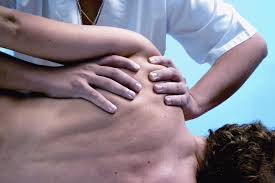
Manipulative Therapy
Korr (1978) described manual therapy as the “Application of an accurately determined and specifically directed manual force to the body, in order to improve mobility in areas that are restricted; in joints, in connective tissues or in skeletal muscles.”
Three notable forms of manual therapy are manipulation, mobilization and massage. Manipulation is the artful introduction of a rapid rotational, shear or distraction force into an articulation. Manipulation is often associated with an audible popping sound caused by the instantaneous breakdown of gas bubbles that form during joint cavitation. Mobilization is a slower, more controlled process of articular and soft-tissue (myofascial) stretching intended to improve bio-mechanical elasticity. Massage is typically the repetitive rubbing, stripping or kneading of myofascial tissues to principally improve interstitial fluid dynamics.
Images courtesy: Google.
Will be continued to part four soon.
Dr.Rajeshwari Rapata
DHMS.MBA(HHA)
Professor (Dept of Anatomy)
Consultant Homoeopath
Research Member DMB Project.DSRF.
VIHASA Facilitator
Sparc wing Member.BKIVV.
 The Art Of Healing