Introduction
Healthcare is the treatment and management of illness and the preservation of health through services offered by the medical,dental,complementary and alternative medicine, pharmaceutical,clinical laboratory sciences(in vitro diagnostics ),nursing and allied health professions.
Oriental Therapies are the traditional and ancient empirical methods of treatment.
Indian government has laid more emphasis on the oriental therapies and formed a special AYUSH ministry for regulation of these therapies and systems of medicine.
The Ministry of AYUSH is formed in 9th November 2014 for providing more healthcare to the public. The Department of Indian Medicine and Homeopathy (ISM&H) was created in March 1995 and renamed as Department of Ayurveda, Yoga and Naturopathy, Unani, Siddha and Homoeopathy (AYUSH) in November 2003, with a view to providing focused attention to development of Education and Research in Ayurveda, Yoga and Naturopathy, Unani, Siddha and Homoeopathy systems.
These modes of treatments are already propounded into integrated and mainstream medicine because of its extensive research and efficacy.
“Sowa-Rigpa” commonly known as Amchi system of medicine is one of the oldest, Living and well documented medical tradition of the world. It has been popularly practice in Tibet, Magnolia, Bhutan, some parts of China, Nepal, Himalayan regions of India and few parts of former Soviet Union etc. There are various schools of thought about the origin of this medical tradition, some scholars believes that it is originated from India, some says China and others consider it to be originated from Tibet itself. The majority of theory and practice of Sowa-Rigpa is similar to “Ayurveda” . The first Ayurvedic influence came to Tibet during 3rd century AD but it became popular only after 7th centuries with the approach of Buddhism to Tibet. There after this trend of exportation of Indian medical literature, along with Buddhism and other Indian art and sciences were continued till early 19th century. India being the birth place of Buddha and Buddhism has always been favorite place for learning Buddhist art and culture for Tibetan students; lots of Indian scholars were also invited to Tibet for prorogation of Buddhism and other Indian art and sciences. This long association with India had resulted in translation and preservation of thousands of Indian literature on various subjects like religion, sciences, arts, culture and language etc. in Tibetan language. Out of these around twenty-five text related to medicine are also preserved in both canonical and non-canonical forms of Tibetan literatures. Many of these knowledge were further enriched in Tibet with the knowledge and skills of neighboring countries and their own ethnic knowledge. “Sowa-Rigpa” (Science of healing) is one of the classic examples of it. Gyud-Zi (four tantra) the fundamental text book of this medicine was first translated from India and enriched in Tibet with its own folklore and other medical tradition like Chinese and Persian etc. The impact of Sowa-Rigpa along with Buddhism and other Tibetan art and sciences were spread in neighboring Himalayan regions. In India this system has been practiced in Sikkim, Arunachal Pradesh, Darjeeling (West Bangal), Lahoul & Spiti (Himanchal Pradesh) and Ladakh region of Jammu& Kashmir etc.
Government of India has already patronised and supported the holistic oriental therapies
and promoting it to every nook and corner of India for its efficiency and economic values.
This also helps to preserve the rich traditional medicine of our country.
Whereas world wide , oriental therapies have been accepted and play a beneficial role in healthcare systems though only some of them have been supported and patronised by their governments.
The modern chemotherapy,third generation drugs and numerous ever increasing multidrug resistant diseases have alerted the people of the world to be more cautious of their health and to rely on these therapies according to the laws of nature.
Medical facilities and healthcare systems in foreign countries are very costly,unaffordable and sky high for some disease conditions . Medical tourism and telemedicine helps these people get the benefits of the oriental therapies by globalisation.
The Oriental therapies include the alternative,complementary,integrated,energetic and polypathic therapies.
These therapies play an important role in healing the suffering mankind in its own way.
No therapy can be considered as useless,harmful or invalid unless there is any harmful effect on the human body and mind in the process of curing the disease
Some of these therapies have their own limitations like every other mode of treatments.
The modern medical systems demand evidence based medicine and research protocols.
Many of these oriental therapies are developing their own standardised scientific protocols to get accepted as a recognised systems for practice. Scientific consenses,clinical trials according to the Cochrane collaboration and Bandolier are being followed in their scientific protocols.
Acupressure
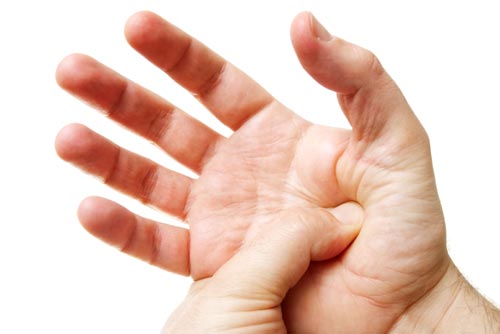
A traditional Chinese medicine technique involves placing physical pressure by hand,elbows or with the aid of various on different acupressure points on the surface of the body.
Acupuncture
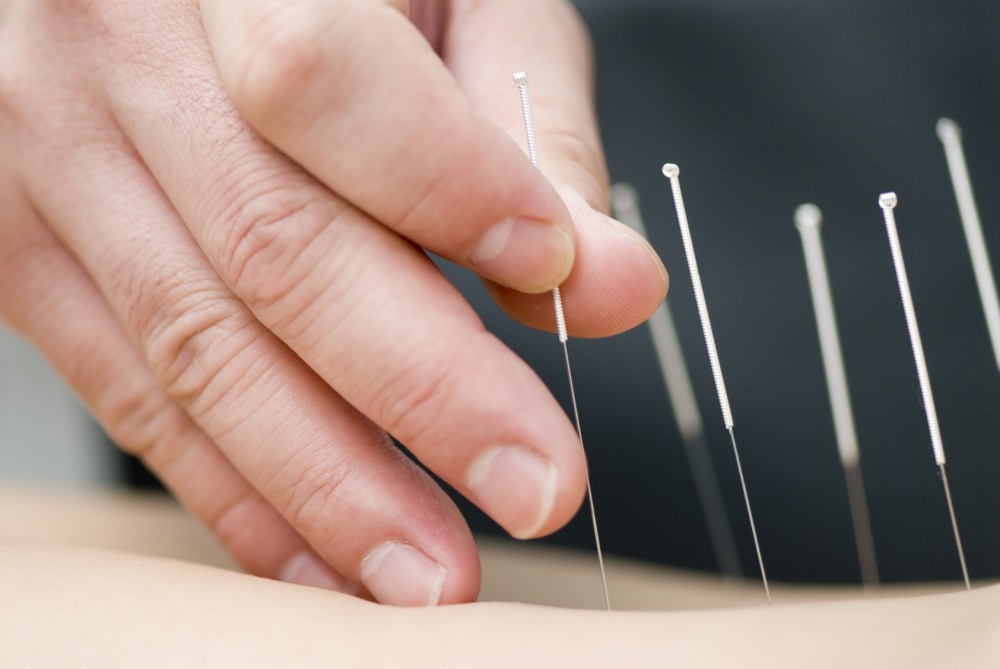
A technique of inserting and manipulating needles into acupuncture points on the body.This restores health and wellbeing and particularly good at treating pain and some psychosomatic conditions.
Adlerian Therapy
Its a growth model.Its goal ischallenge and encourage the clients premises and goals focusing on and examining the clients lifestyle.The therapist helps the client reach his life goals. Its a combination of psychotherapy and life coaching.

Agnihotri

Agnihotra is a vedic yajna (sacred purifying ritual) performed at dawn and dusk. It helps in cleansing the atmosphere,cleansing the physical and psychical bodies. Awakening of auspicious energies. Enabling mystical experiences. Invoking grace of god in our lives.
Aikido
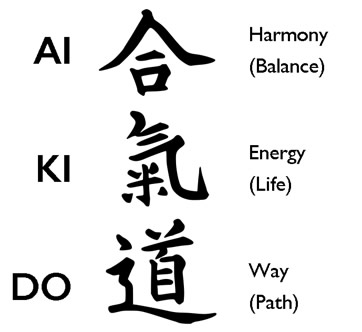
Its a way to union with universal energy.Its a practice of enlightenment experiences of O sensie.A warrior way of divine love that nurtures and protects all things.An Aikido practitioner moves as an empty handed swordsman.
Extrasensory perpception and hypnosis

Extra sensory perception or ESP is an alleged ability to acquire information by means other than the known senses eg taste, sight,touch,smell.hearing,balance and proprioception.
A person capable of using ESP is referred to as a psychic or as having psychic powers.
The notion of extrasensory perception existed in antiquity.In many ancient cultures, such powers were ascribed to people who purported to use them for second sight or communicate with deities, ancestors,spirits,etc.
ESP is associated with a relaxed stted with a relaxed state of mind and a freer .more atavistic level of consciousness and the hypnosis helping in annihilating psychological and somatic disorders. Also for inducing anaesthetic effect during surgeries.
Alexander Technique
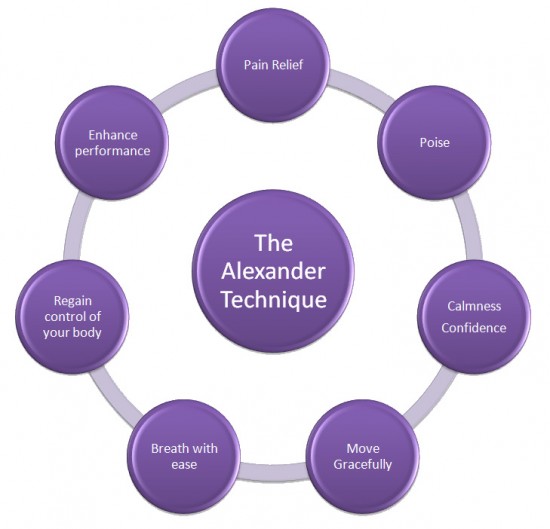
This technique is an intelligent way to solve body problems and unconscious movement habit by learning to strip away harmful habits,heighten your self awareness and use your thought process to restore your original poise.
Alphabiotics
Its based on the notion that all disease is the result of an imbalance and lack of life energy..Its practice involves wellness and self healing.
Anabolic Therapy for osteoporosis
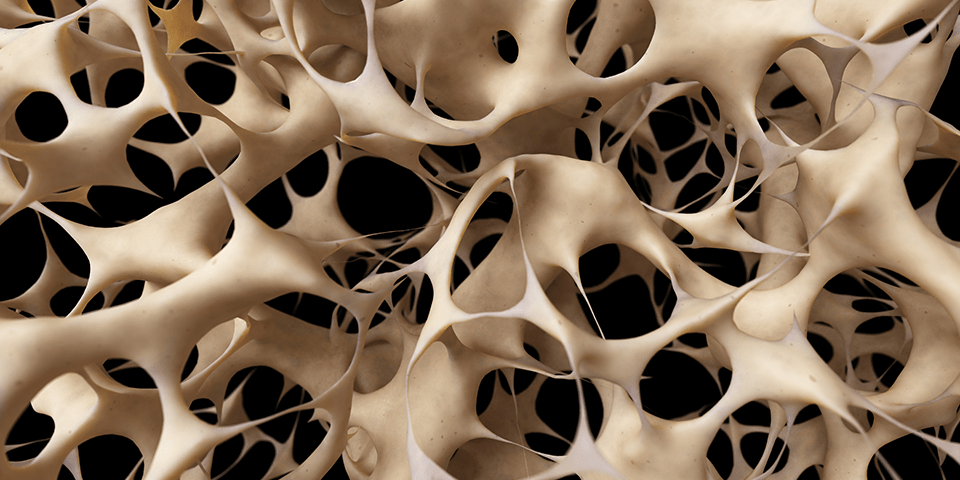
Therapy for osteoporosis inhibiting bone resorption by acting at the site in the bone remodelling cycle, estrogens, selective estrogen receptor modulators,calcitonin and biophosphates to increase bone mineral density and to reduce the risk of new fractures.
Anthroposophical medicine
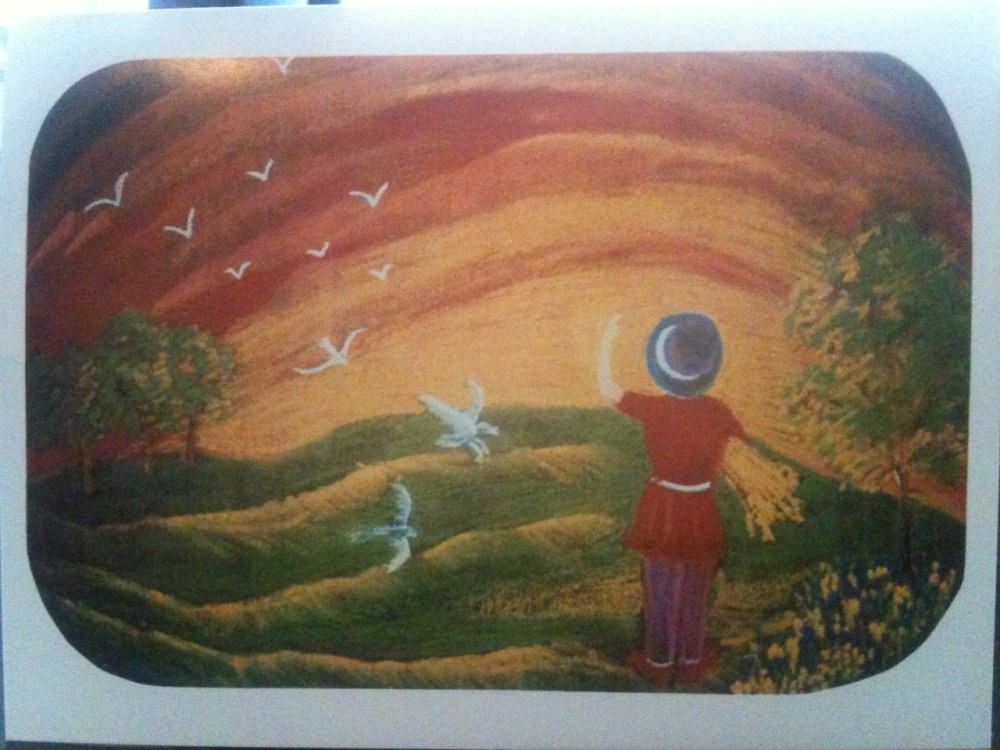
Self expression ,psychology and looking for cause of disease in terms of cosmic influence and promoting individualistic self healing.
Apitherapy
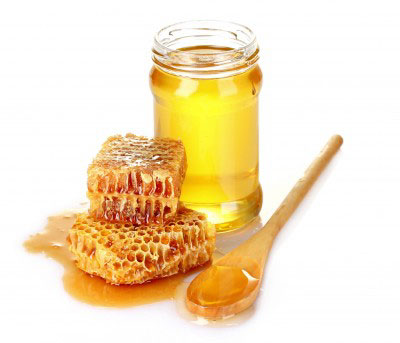
Apitherapy is the medical use of honey bee products. This can include the use of honey, pollen, propollis, royal jelly and bee venom.
….to be continued in part 2 coming soon.
 The Art Of Healing